Why Thorough Maintenance Is Crucial for Your Boat
If you love spending time on the water, you know the thrill that a perfectly maintained boat brings. Comprehensive checks and servicing are not just a matter of cosmetics—they are vital to your vessel’s safety and longevity. Small gelcoat chips can allow moisture to seep in, leading to expensive hull repairs, while barnacles and algae build-up increase drag and fuel consumption. At martin242mdr.com, we’ve seen owners who stick to a proactive maintenance schedule save thousands on aftermarket parts and emergency haul-outs. Routine care includes everything from specialty cleaning and waxing to replacement of worn components, application of antifouling coatings, and installation of the latest navigation systems. Each of these steps ensures your boat stays in top condition, both in looks and performance. By the time you’re ready to cast off on your next voyage, the difference is immediate: smoother acceleration, reduced vibrations, and the peace of mind that comes from knowing every inch of your vessel has been inspected and serviced.
In addition to regular washdowns and protective coatings, it’s crucial to follow a seasonal maintenance checklist. During spring commissioning, make sure to inspect through-hulls, test bilge pumps, and verify electronics are functioning correctly after winter storage. Mid-season, focus on engine oil changes, filter replacements, and checking belts and hoses for signs of wear. Before winter layup, flushing systems with antifreeze, removing batteries for off-season charging, and applying corrosion inhibitors to metal fittings will prevent costly freeze damage. Keeping a detailed log of each service performed helps you track patterns like recurring electrical glitches or early hull paint wear, allowing you to address root causes before they escalate. Ultimately, this meticulous approach protects your investment and enhances onboard safety.
The Importance of Professional Boat Detailing & Polishing
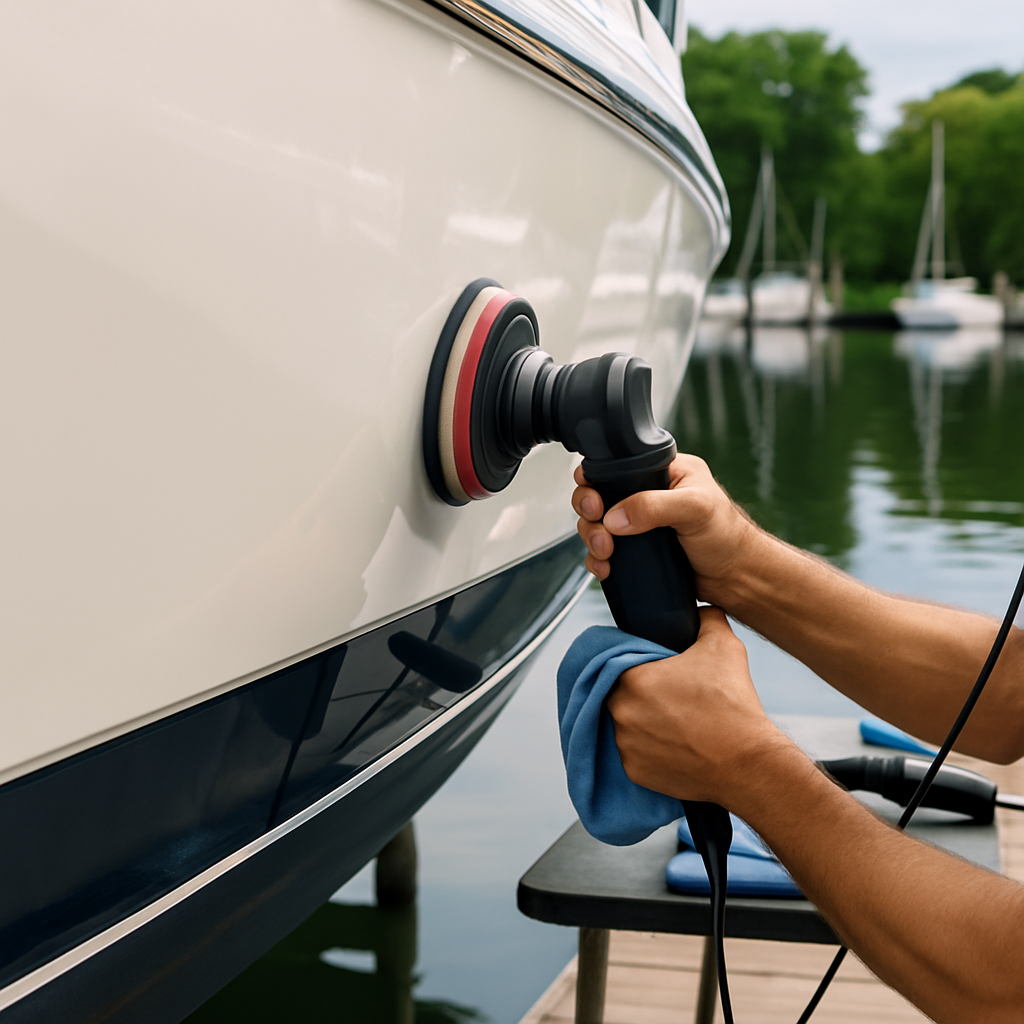
Boat detailing and polishing go far beyond a simple rinse; they involve a meticulous, multi-step process to rejuvenate your vessel’s exterior. First, stubborn grime such as salt residue, bird droppings, and oxidation are removed using marine-grade detergents. A targeted compound then smooths out micro-scratches, restoring clarity to the gelcoat, followed by a polish that brings out a deep, wet-look shine. Finally, protective sealants create a durable barrier against UV rays, saltwater, and mineral deposits. Over the years, I’ve witnessed how a fresh polish can significantly increase resale value—sometimes by up to 10%. Professional detailers use variable-speed polishers, dual-action pads, and microfiber applicators to achieve uniform results without swirl marks or burn-throughs on sensitive surfaces.
Beyond hull exteriors, a complete detailing service often includes metalwork restoration, brightwork polishing, and vinyl upholstery cleaning. Stainless steel rails, cleats, and trim pieces can be restored to their original luster using specialized metal polishes and sealants that inhibit pitting and corrosion. Canvas covers and cockpit interiors benefit from mold-inhibiting treatments that extend fabric life while maintaining breathability. For luxury yachts, detailing may even involve teak deck cleaning and oiling, delicate woodwork treatment, and electronic component protection. By entrusting these tasks to professionals, you ensure the job is done thoroughly, safely, and with long-lasting results.
When it comes to Boat Detailing & Polishing, many boat owners appreciate the combination of high-end materials and on-site service convenience. By choosing a provider who brings their equipment directly to your dock, you save time and avoid the hassle of transporting your vessel. This approach ensures every inch of your boat receives attention, from meticulous cleaning of gelcoat surfaces to precision polishing that restores factory-like gloss. Such tailored care ultimately enhances both aesthetics and long-term hull protection, safeguarding your investment and ensuring your boat performs flawlessly on the water.
Innovative Techniques and Sustainable Materials in Focus
Environmental responsibility is no longer optional in marine care. Traditional cleaning chemicals often contain phosphates and ammonia, which can harm aquatic ecosystems. Thankfully, the industry is moving toward eco-friendly formulations—biodegradable surfactants, plant-based solvents, and water-based sealants that perform equally well without toxic runoff. Nanotechnology has introduced self-cleaning polymers that repel dirt and moisture, significantly extending the interval between washings. For hull treatments, low-toxicity antifouling paints incorporate ribbon biocides that release active agents in a controlled manner, effectively thwarting barnacle and algae growth.
UV-cured ceramic coatings represent the cutting edge of sustainable protection. Applied in thin layers and hardened under UV lights, these coatings bond chemically with the gelcoat, forming a crystalline matrix that resists scratches and oxidation. Unlike waxes that wash away or degrade, ceramic layers last for years, reducing the need for frequent reapplications. Implementing these advanced materials not only lessens environmental impact but also lowers long-term maintenance costs—an investment that pays dividends through reduced labor and product consumption.
Mobile On-Site Services: Combining Convenience and Efficiency
Finding a reliable service provider who can come to you is a game changer for busy boat owners. A mobile team arrives fully equipped with power washers, polishers, diagnostic tools, and spare parts—eliminating downtime and the logistical headache of hauling your boat to a repair yard. Technicians can perform everything from engine tune-ups and electrical troubleshooting to fiberglass repairs and gelcoat touch-ups right at your dock. Flexible scheduling means you can plan service during off-peak hours, reducing marina congestion and ensuring minimal disruption to your boating season.
Case in point: a client recently experienced overheating on his outboard motor just hours before a weekend cruise. The mobile crew diagnosed a clogged water intake impeller, replaced it on the spot, and completed a full cooling system flush before sunset. He was back on the water without missing a single sunrise sail. This level of responsiveness, combined with transparent pricing models and service guarantees, delivers unmatched peace of mind—and far fewer “surprise” repair bills.
Exclusive Membership Plans for Regular Maintenance
Investing in a membership program ensures your boat gets the attention it deserves on a consistent schedule. Members receive priority booking slots during peak season, discounted rates on labor and parts, and complimentary annual hull inspections. Emergency service is also included—perfect for unpredictable mechanical failures or sudden storms when your vessel needs quick attention. By automating reminders and billing through a secure portal, these plans eliminate the hassle of manual scheduling and ensure no maintenance task slips through the cracks.
For high-usage vessels like charter boats or offshore sportfishers, membership plans can include customized service bundles: monthly engine oil analysis, quarterly electrical system testing, and biannual hull polish. Detailed reporting accompanies every visit, allowing you to monitor component health trends and plan larger overhauls during the off-season. This proactive strategy helps you avoid costly breakdowns and extends the lifespan of critical systems, all while keeping operational expenses predictable.
How to Avoid Common Cleaning and Polishing Mistakes
Even seasoned boaters sometimes fall into pitfalls that compromise their vessels. A common rookie error is using household car wash soaps on marine gelcoat; these products often strip away protective wax layers and leave streaks. Equally troublesome is rushing the polishing stage—skipping the deoxidizer step results in surface haze that dulls quickly. Always work in shaded areas and keep polishing pads clean to prevent trapped grit from scratching the finish. If you’re uncertain which products to use, consult manufacturer guidelines or a trusted professional.
Another frequent misconception involves pressure washer settings. Too low, and you’ll struggle to remove encrusted grime; too high, and you risk etching gelcoat or forcing water into seals and hardware fittings. Opt for adjustable nozzles and test pressure on an inconspicuous panel first. Finally, never underestimate the importance of soft brushes and microfiber towels—abrasive tools can lead to swirl marks and damage clear-coated surfaces. By following these best practices, you’ll achieve showroom-quality results without unintended harm.
Why Expert Collaboration Makes the Difference
Successful boat care hinges on combining technical expertise with precise execution. At martin242mdr.com, we focus on comprehensive system overhauls—engine rebuilds, electronics upgrades, and customized hardware installations—while our mobile partners specialize in high-end detailing finishes. This symbiotic relationship allows us to coordinate projects seamlessly: one team handles mechanical reliability, the other delivers impeccable aesthetics. Shared project management platforms ensure everyone stays aligned on timelines, parts availability, and quality standards.
Moreover, working with certified technicians and accredited suppliers provides accountability. All materials come with traceable documentation, from antifouling paint batch numbers to polish lot certifications. Should any warranty claims arise, the information trail expedites resolutions, minimizing downtime. When each specialist contributes their unique skill set under a unified service umbrella, boat owners reap the benefits of both depth and precision in every maintenance cycle.
A Look at the Future of Boat and Yacht Care
The marine service industry is on the brink of a technological renaissance. Integrated sensor networks will soon monitor hull stress, engine vibrations, and battery health in real time—alerting you to emerging issues before they escalate. Drones equipped with high-resolution cameras already perform remote hull inspections, generating 3D models that reveal even hairline fractures. Artificial intelligence will analyze these datasets, predicting maintenance windows and automatically dispatching mobile teams to your location when thresholds are met.
Virtual reality training modules for technicians are also becoming mainstream, ensuring consistent skill levels across service providers. Imagine donning VR goggles to practice a fiberglass repair in a simulated environment before tackling the real hull—mistakes drop to near zero. Meanwhile, next-gen coatings with self-healing polymers will autonomously seal micro-abrasions as they occur, drastically reducing polishing frequency. Embracing these trends now positions you at the forefront of maritime innovation, so you can focus on the freedom of the open water rather than the logistics of upkeep.